First lawn treatment for just $19.95* First lawn treatment for just $19.95* Call Now

Professional Fire Ant Control Services in Chapel Hill, NC

Fire ants can turn a quiet yard into a place you have to watch carefully. One mound near the walkway, beside the driveway, close to a garden bed, or tucked into a sunny patch of grass can make the whole lawn feel a little less inviting.

That is especially frustrating when you actually use your outdoor space. Maybe you have kids running through the grass, pets wandering the yard, or a patio where people gather in the evenings. Fire ants make all of that feel more complicated.


Request a Quote

Pick the way that works best for you:

Call Us
Submit Form
First lawn treatment for just $19.95*
Give us a call today!

984-309-4304

Monday - Thursday: 8 a.m. - 8 p.m.
Friday: 8 a.m. - 7 p.m.
Saturday: 8 a.m. - 4 p.m.
Sunday: Closed
First lawn treatment for just $19.95*


Complete form below and we’ll call you.

Text Message Scheduling

Opt into our text messaging platform to begin your program and schedule with us today!

Looks like no phone capture form has been configured in Site Settings.

Fire Ant Treatment for Chapel Hill Lawns

A practical plan for mounds that do not stay put

Turf Wizard provides fire ant control in Chapel Hill, NC for homeowners who want the problem handled clearly and carefully. We inspect the mounds, look at nearby activity, treat the areas that need attention, and explain what to expect after service.

Fire ants rarely behave like a simple surface problem. The mound you see is only the part that shows above ground. Underneath, the colony may be moving through tunnels, reacting to weather, or rebuilding after the soil is disturbed.

That is why one mound may seem to settle down, only for another to show up near the patio, fence line, or side yard a few days later. It can feel like you are chasing the problem around the lawn.

Turf Wizard looks at the yard as a whole. We check visible mounds, nearby soil, sunny areas, and the spaces where your family or pets are most likely to cross paths with fire ants. Then we recommend a treatment approach that fits the activity we find.

Why Fire Ant Control Matters

Fire ants are not just an ugly mound in the grass. They can sting repeatedly when disturbed, and they can swarm quickly. A mower, a footstep, a garden tool, or a curious pet can set them off before anyone realizes the mound is active.

Once that happens, the yard stops feeling easy. You start warning people where not to step. You avoid parts of the lawn. You think twice before letting pets wander.

Professional fire ant control helps reduce that stress by treating active areas and addressing the colony activity below the surface, not just the loose dirt you can see.

Signs of a Fire Ant Infestation

Fire ants usually leave a few clues before the problem becomes harder to manage.

What Do Fire Ants Look Like?

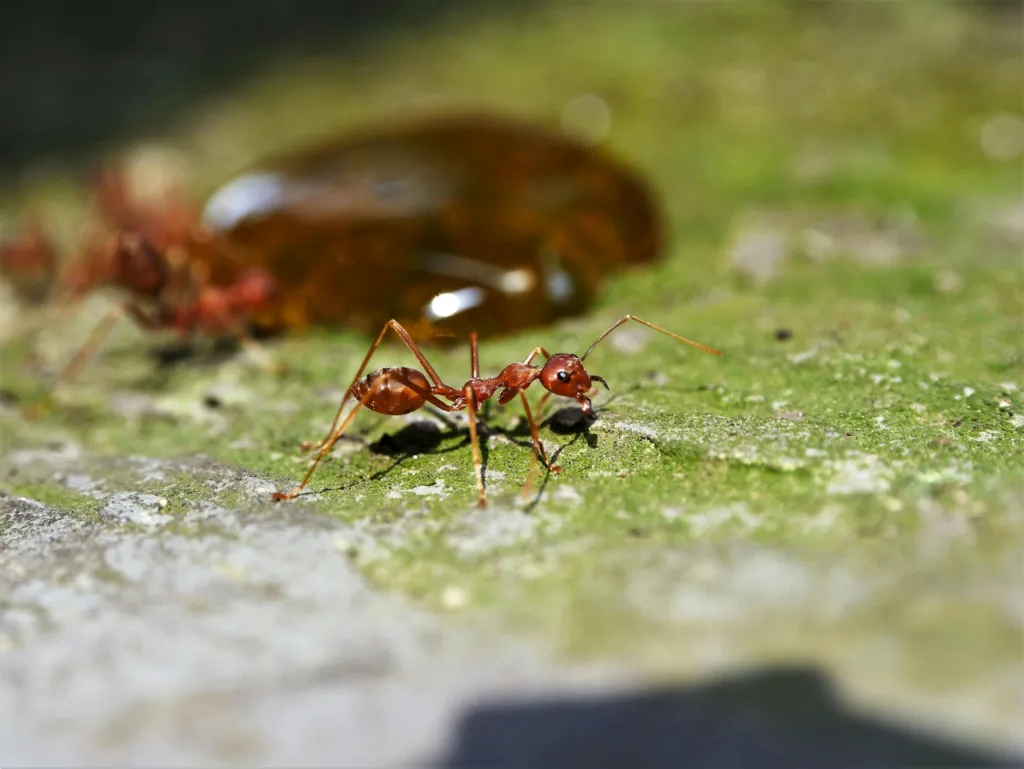
Fire ants are small ants, usually reddish to reddish-brown, and often around 1.6 to 5 mm long. Ants in the same colony may not all be the same size, so behavior is often the better clue.

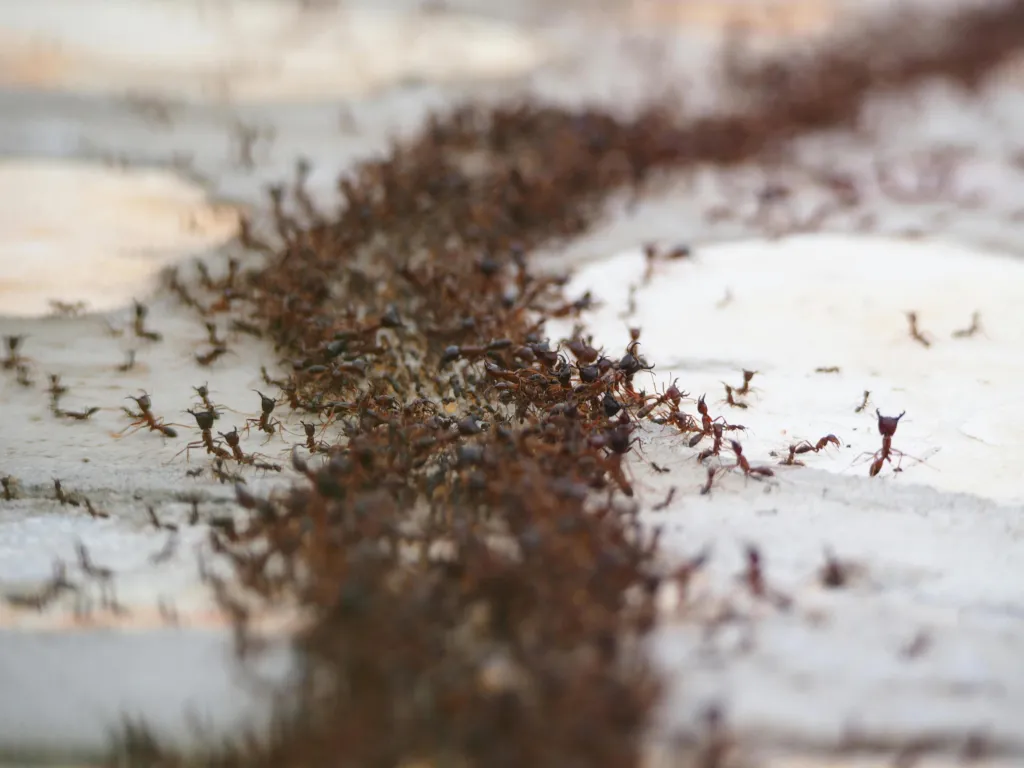
When disturbed, fire ants may rush out quickly and swarm anything nearby. Shoes, paws, tools, and bare legs can all become targets if someone gets too close to an active mound.

In Chapel Hill yards, fire ants may show up in warm turf, open soil, lawn edges, garden borders, driveway edges, and areas where the ground has been disturbed by rain, mowing, landscaping, or yard work.

Look out for:

  • Loose soil mounds in sunny places: Fire ant mounds often look like soft, loose, sandy soil pushed up through the lawn. They may appear near sidewalks, driveways, garden borders, or open areas that get plenty of sun.
  • Mounds appearing after rain: Rain and irrigation can disturb underground colonies. If you notice fresh mounds after wet weather, fire ants may still be active below the surface.
  • Small reddish-brown ants: Fire ants are usually reddish or reddish-brown. They are small, but they move quickly when the mound is bothered.
  • Painful stings in the yard: Fire ant stings can burn, itch, and leave raised bumps or pustules. If someone has already been stung while walking, mowing, gardening, or playing outside, the mound should be taken seriously.
  • Several mounds around the property: One mound may be the first warning. Multiple mounds usually mean activity is spreading or has been active longer than it first appeared.

Why Fire Ants Are Difficult to Get Rid Of

Fire ants are tough because the mound is not the whole colony.

Most of the activity is underground The surface mound is only a sign of what is happening below. Fire ants can move through tunnels under the lawn, which makes surface-only treatments less dependable.

Colonies can rebuild nearby After rain, mowing, watering, or partial treatment, fire ants may shift activity and rebuild in another spot.

Some colonies may have multiple queens A colony with more than one queen can recover faster if treatment does not reach enough of the colony.

DIY treatment may only quiet the surface A spray may reduce the ants you can see, but it may not reach the deeper activity. Baits can also depend heavily on timing, placement, and foraging behavior.

Weather changes fire ant activity Heat, moisture, soil disturbance, mowing, and irrigation can all affect where fire ants appear next.

How Our Fire Ant Control Service Works

Turf Wizard keeps the process simple, but we still take the time to look closely at the yard.

We inspect the active areas

We check visible mounds, nearby soil, sunny lawn sections, walkways, patios, driveways, garden edges, and places your family or pets use often.

We look at how far the activity has spread

A single mound near the curb is different from several mounds around a backyard, side yard, or outdoor seating area. We base the plan on what we actually find.

We treat the right spots

Treatment may focus on active mounds, surrounding soil, or wider lawn areas depending on the level of fire ant activity.

We explain what happens after service

You will know what was treated, what changes to watch for, and when it may make sense to have the yard checked again.

We give clear re-entry guidance

Before we leave, we explain when kids, pets, and family members can return to treated areas.

Professional Fire Ant Treatment Options

The best fire ant treatment depends on the lawn, the number of mounds, the weather, and how active the ants are.

DIY vs Professional Fire Ant Control

DIY fire ant treatment is tempting because the mound is right there. It feels like a quick weekend fix.

Sometimes it helps for a little while. But fire ants may still be active underground. Sprays can miss the colony. Baits may not work if ants are not foraging. Rain can affect results. And getting too close to an active mound can lead to painful stings.

Professional fire ant control gives you a better starting point. Turf Wizard inspects the yard first, then treats based on what is actually happening instead of guessing from one mound.

Are Fire Ants Dangerous?

Fire ants can be dangerous because they may sting repeatedly. Their stings can cause burning, itching, swelling, red bumps, or pustules. Some people may have stronger reactions and may need medical attention.

Children, pets, and anyone walking, mowing, gardening, or relaxing outside are more likely to disturb a mound by accident. Fire ants near patios, walkways, play areas, gardens, or pet spaces should be handled carefully.

Can Fire Ants Damage Your Lawn?

Fire ants can make your lawn harder to use and maintain. Their mounds can disrupt turf, create uneven spots, and make mowing more frustrating.

Even when the grass still looks fine, the yard may not feel comfortable if everyone is watching for mounds before walking across it.

When Are Fire Ants Most Active?

Fire ants are usually more active during warm weather. Around Chapel Hill, mounds may become easier to spot after rain, irrigation, mowing, or soil disturbance.

During very hot stretches, fire ants may move deeper into the soil or forage at different times of day. That is one reason treatment timing can matter.

Is Fire Ant Treatment Safe for Families and Pets?

Fire ant treatments should always be applied according to label directions. Turf Wizard provides clear instructions after service so you know when treated areas should be avoided and when normal yard use can resume.

In many cases, that means waiting until treated areas are dry or following the recommended re-entry window. We explain it clearly before we leave.

Why Chapel Hill Homeowners Choose Turf Wizard for Fire Ant Control

Chapel Hill homeowners call Turf Wizard because they want fire ant control that is clear, practical, and easy to understand. Fire ants are already frustrating. The service should not feel confusing too.

Our team understands lawns, soil, outdoor pests, and how people actually use their yards. We inspect the problem, explain what we find, recommend a treatment plan that makes sense, and keep pricing straightforward.

Fire Ant Control FAQs

Schedule Fire Ant Control in Chapel Hill

If fire ants are showing up around your Chapel Hill lawn, garden, or patio, Turf Wizard can help. We will inspect the active areas, treat the problem, and give you clear guidance for using the yard afterward.